
Deploy SMT motherboard production line to support military products
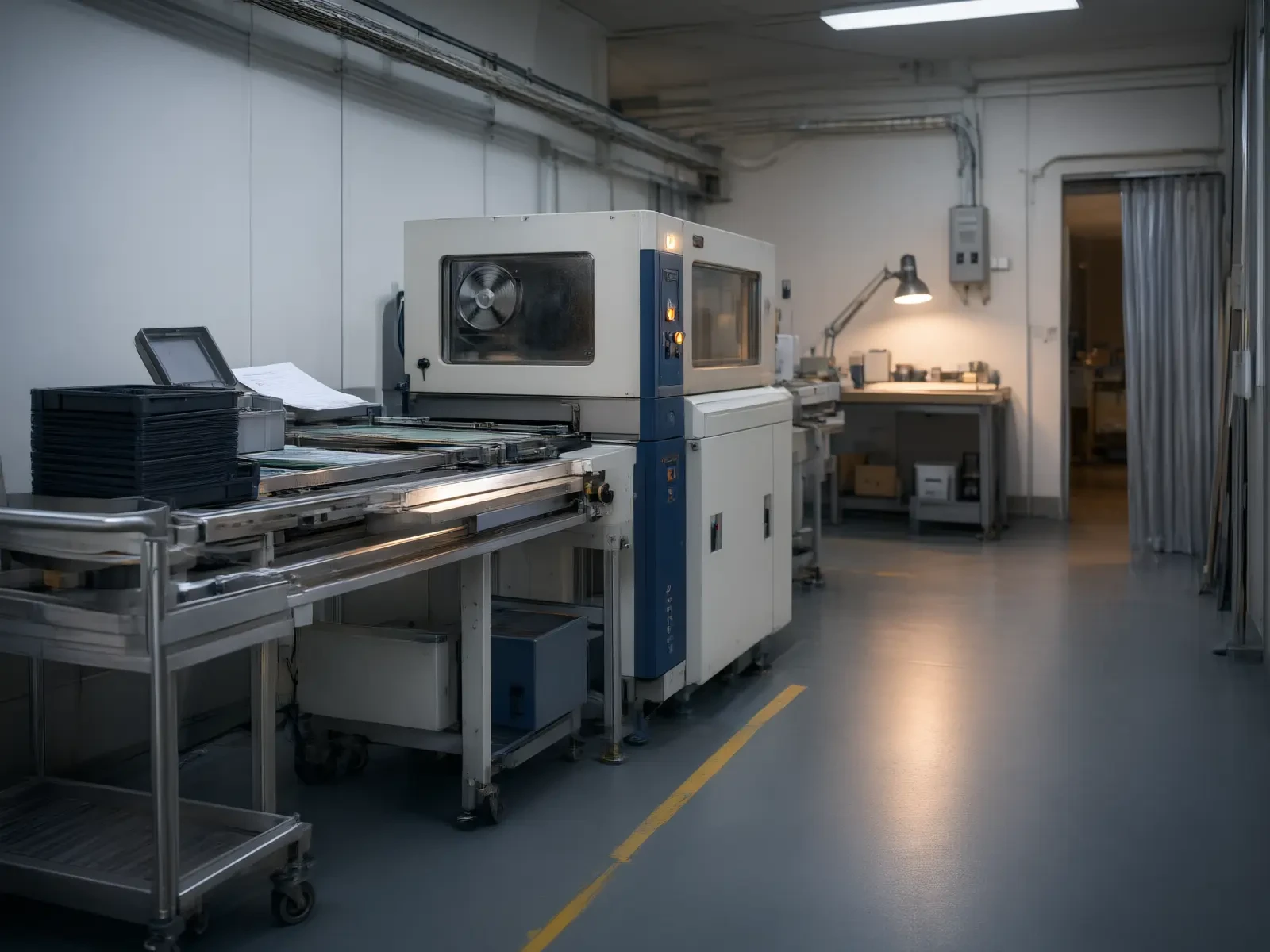
Build your own SMT line: unify prototyping, trial runs, and small-batch production in a single workflow. Self-manufacture and self-test control boards; enable software and hardware engineers to collaborate on-site for same-day design iteration validation.
Hyperbaric oxygen chambers are often treated as structural products: buyers first measure the room, then select chamber dimensions, and finally discuss aesthetics. However, what truly determines stable operation is the control board at the chamber's core. It monitors internal pressure and oxygen concentration, verifies door locks and interlock conditions, drives pneumatic valves, and executes pressure ramp-up and ramp-down profiles according to preset curves. A significant portion of the equipment's safety boundaries is defined by control logic; the steel shell merely provides structural support.
The control layer determines the differences between cabins.
With the same 1.9ATA workload, control strategies differ between home and institutional cabins. Home cabins are designed for single users, prioritizing quiet operation, gradual pressure increase, and protection against misuse. Institutional dual-person cabins must handle continuous operation and multiple user rotations; their control logic supports scheduling, usage logging, and recovery after unexpected shutdowns. In the BIBS respiratory system, gas supply switching and lighting/alert logic tied to the polycarbonate viewing window are all managed by the controller board and software.
Let a universal board handle these variations. The result is often a feature-complete list but a frustrating user experience. When custom and standard units are produced in parallel, this mismatch intensifies: standard models demand stability, while custom models require flexibility. Sharing a single supply chain means the control layer must first support a scalable architecture.
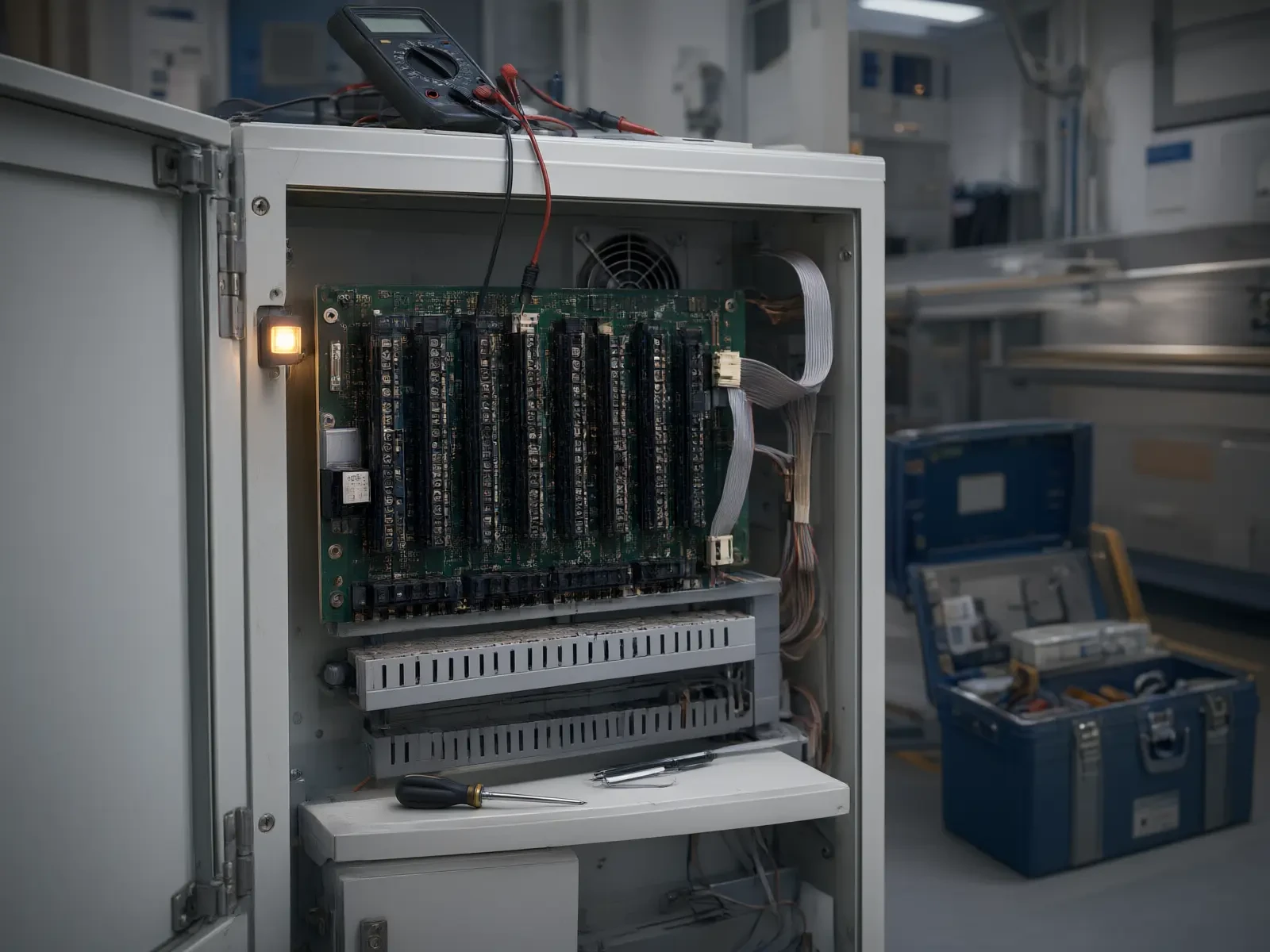
One SMT line turns redesign into a controlled action.
In the hyperbaric chamber industry, supply chain bottlenecks rarely stem from tank fabrication but rather from electronics. Sourcing surface-mount components, programming, and firmware development often involves three separate vendors. While this may go unnoticed during routine operations, any adjustment—such as reconfiguring I/O points, swapping sensor models, or modifying a boost curve—triggers a cycle of rescheduling, prototyping, and validation. The more revisions required, the more reactive and delayed the delivery becomes.
We invested in our own SMT lines. The value isn't just the equipment—it's that prototyping, trial runs, low-volume production, and mass production all run on a single continuous line. Change a component during prototyping, and we can fabricate the board and reassemble it for testing—all within the same day. Hardware-software validation cycles are no longer limited by external vendor schedules. Every unit undergoes leak testing and operational checks after casing fabrication and assembly, with results logged in the same workflow. Changes made to revisions can be directly validated instead of inferred.
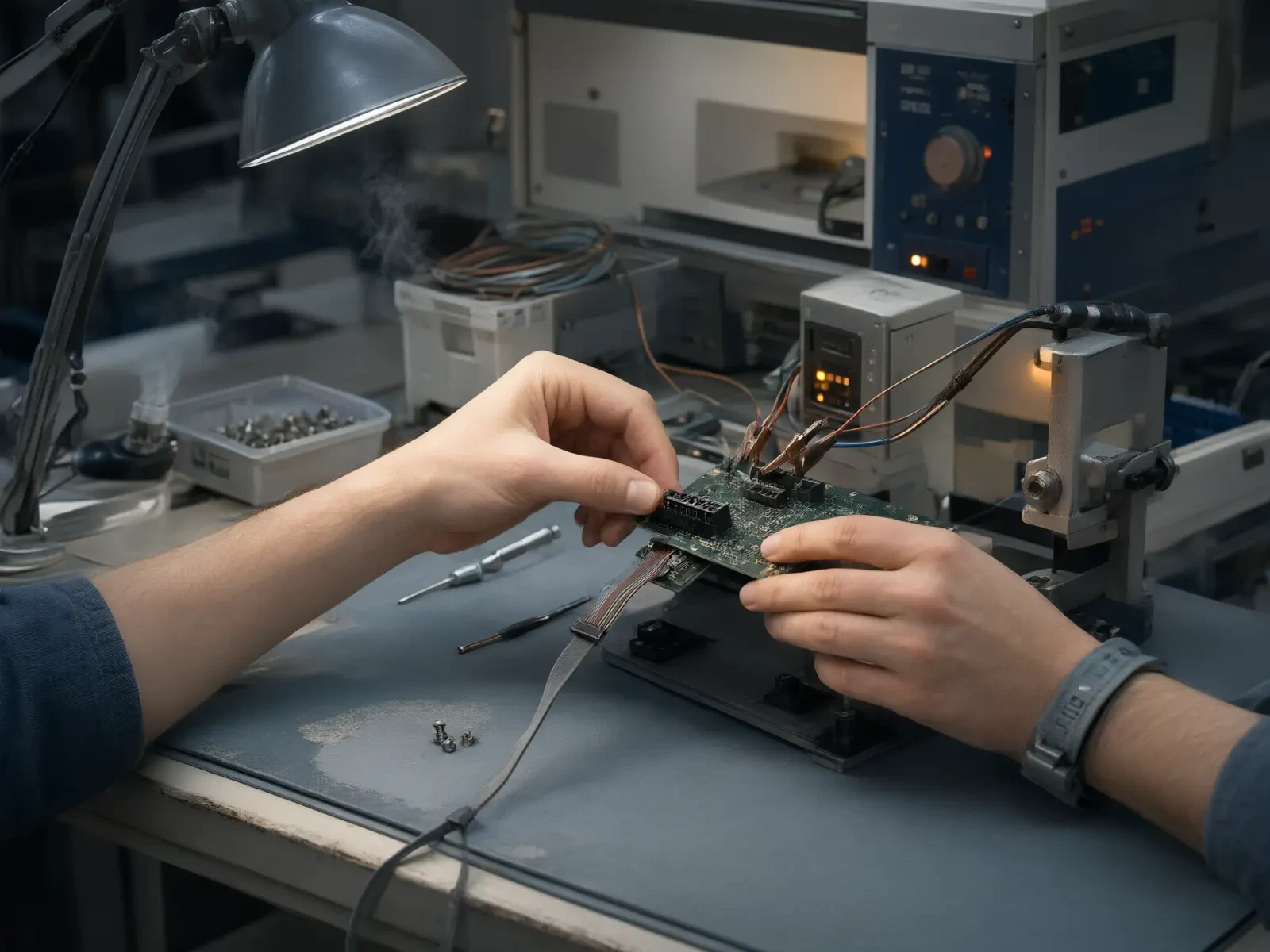
Software and hardware engineers are on-site together.
Control system faults often occur at the hardware-software interface: sensor signal jitter, relay-induced interference, and mismatches between sampling cycles and valve response times. These issues are difficult to resolve via email or remote communication alone; they typically require someone monitoring both waveforms and code simultaneously.
Our software and hardware engineers work side by side in the same facility, at the same test bench. When a prototype anomaly occurs, hardware adjusts circuits while software tunes timing; changes are validated immediately and closed out within the same iteration. This collaborative approach is critical for custom projects because customization isn't about changing a shell color—it's about rewriting control parameters and interaction logic to fit specific use cases.
"Closed-loop" means accountability remains with the original owner and does not transfer.
A closed-loop supply chain does not mean consolidating all processes into a single facility; it means keeping decision-making and verification authority for key stages within one unified workflow. We manufacture our own chamber structures, assemble pneumatic systems in-house, produce and self-test control boards, and perform air-tightness and operational testing on every unit individually. If any issue arises, we can trace it back to the specific workstation and batch—no need to shift responsibility among multiple suppliers.
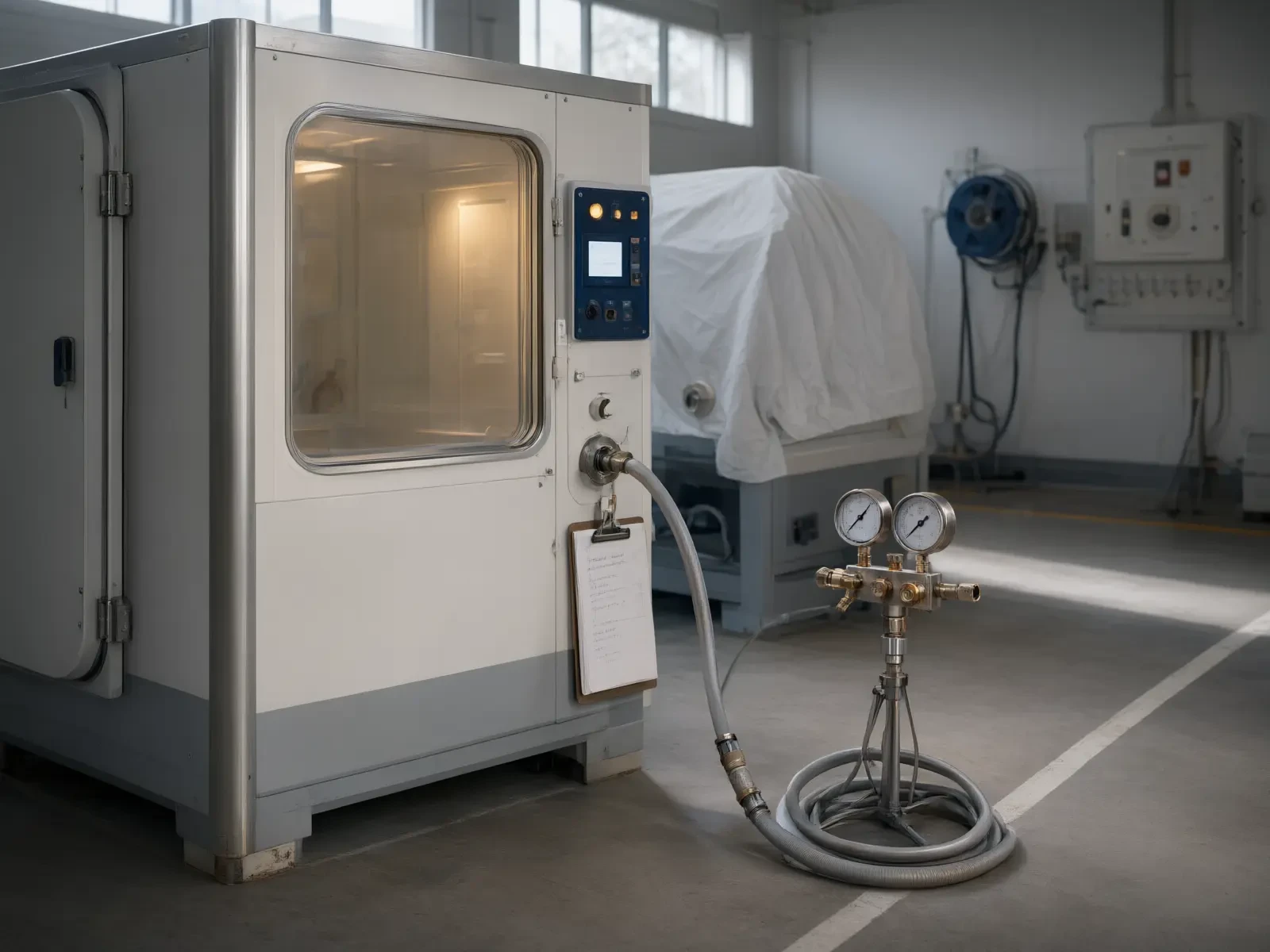
Customized, standard, and OEM units share the same supply chain. Accessories and consumables are continuously supplied within a unified system to ensure uninterrupted maintenance. For channel partners, this means branding, specifications, and control logic can be defined together. For institutional users, parameter adjustments during continuous operation do not require waiting for external vendor response.
Ask the right questions when choosing a manufacturer.
When evaluating an oxygen chamber manufacturer, look beyond the chamber size and price. Confirm three critical details: who manufactures the control board, who maintains the software, and how long a version update takes. These factors determine your device's maintenance costs and upgrade potential for years to come.
Please specify the number of users, room dimensions, and desired configuration so we can provide tailored cabin recommendations and a detailed equipment list. From needs assessment and solution confirmation to prototyping, quality inspection, delivery, and accessory supply—all five stages are handled in-house by a single partner for seamless end-to-end service.